Sarah Mitchell
Our office layout now supports workflow efficiency while looking professional. The design team explained every step clearly.
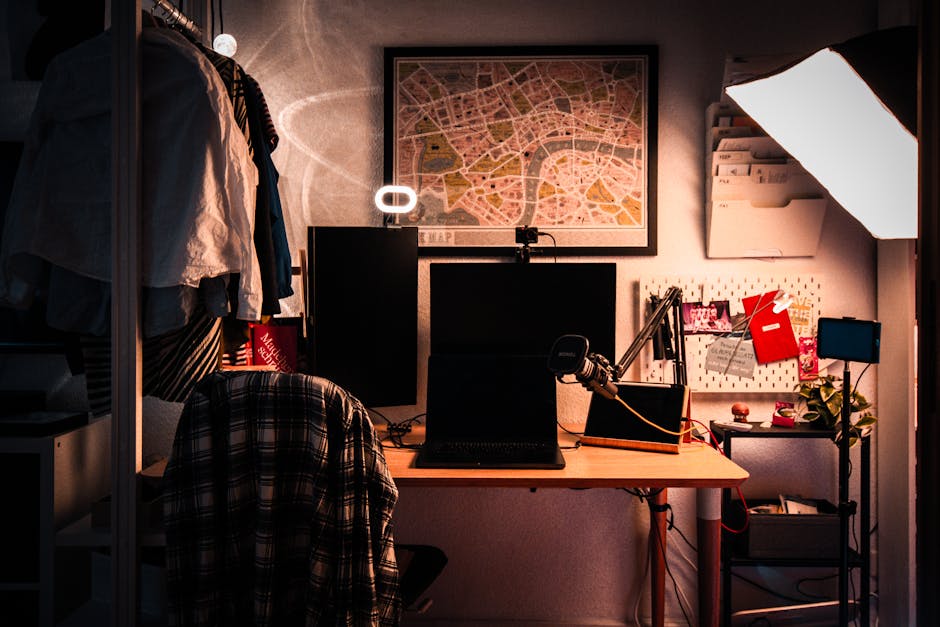
We document our design process through completed interior spaces. Each project reflects a structured approach to balancing visual appeal with practical layout solutions. Explore examples of residential and commercial environments where form and function are considered equally.
Inquire About Our Work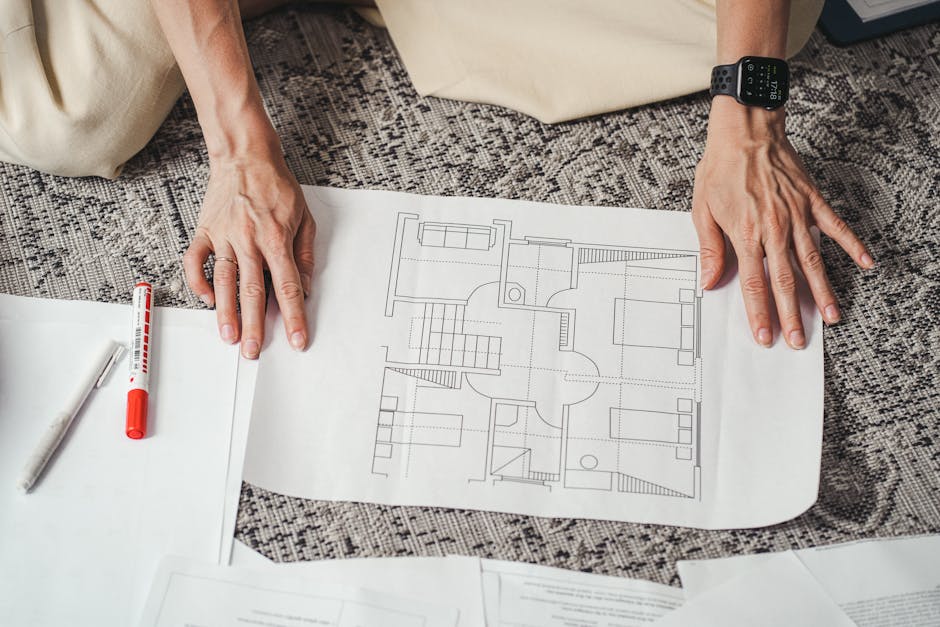
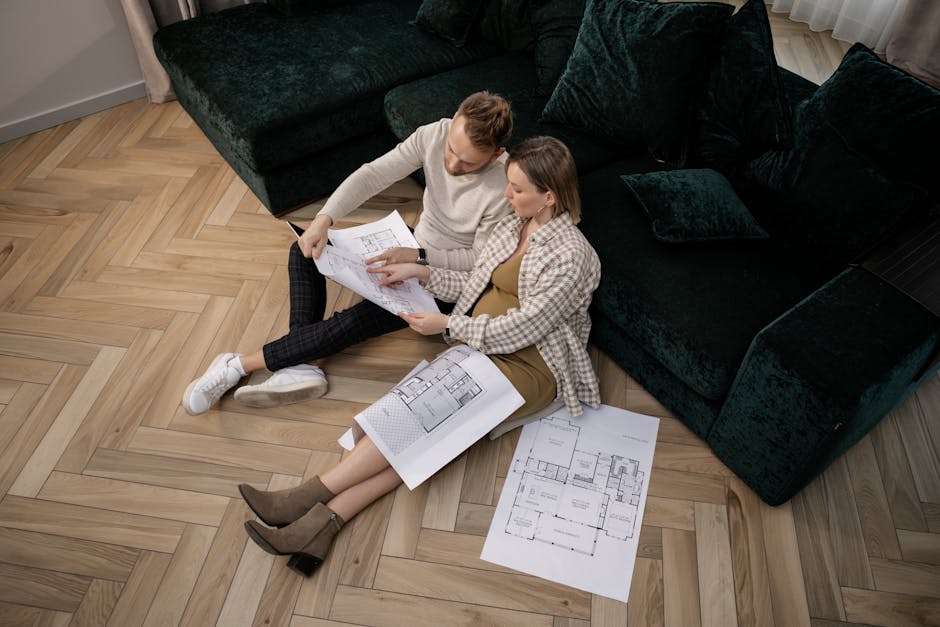
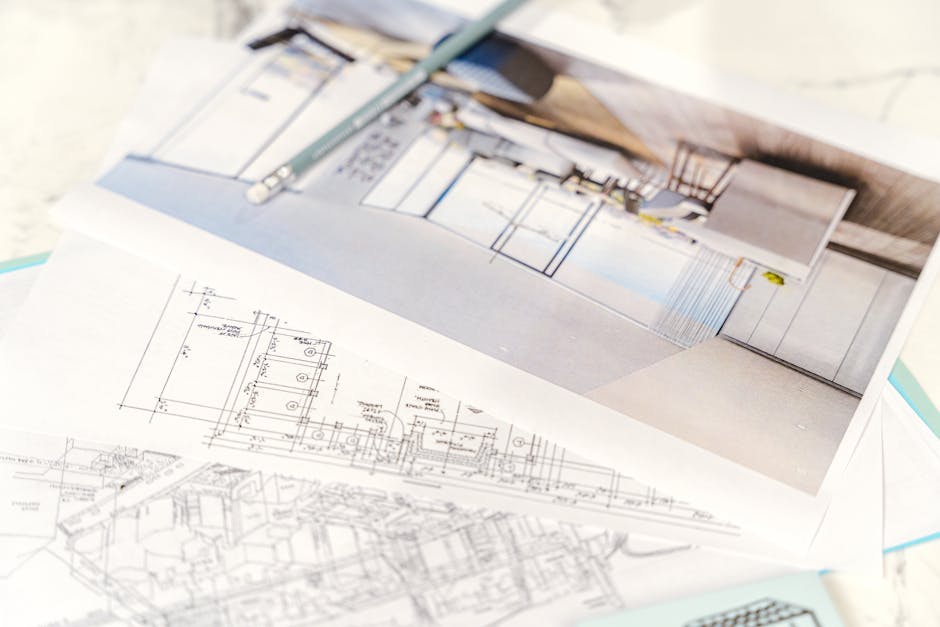
At Spatial Harmony, we present completed projects as case studies of design methodology. Each entry outlines the initial context, spatial challenges, and the design decisions made. Photographs and layout diagrams illustrate how we addressed specific functional requirements while maintaining aesthetic coherence. This documentation is intended to provide transparency into our process, allowing visitors to understand the reasoning behind material choices, furniture layouts, and lighting arrangements. We believe that sharing this information helps clients appreciate the structured nature of interior design.

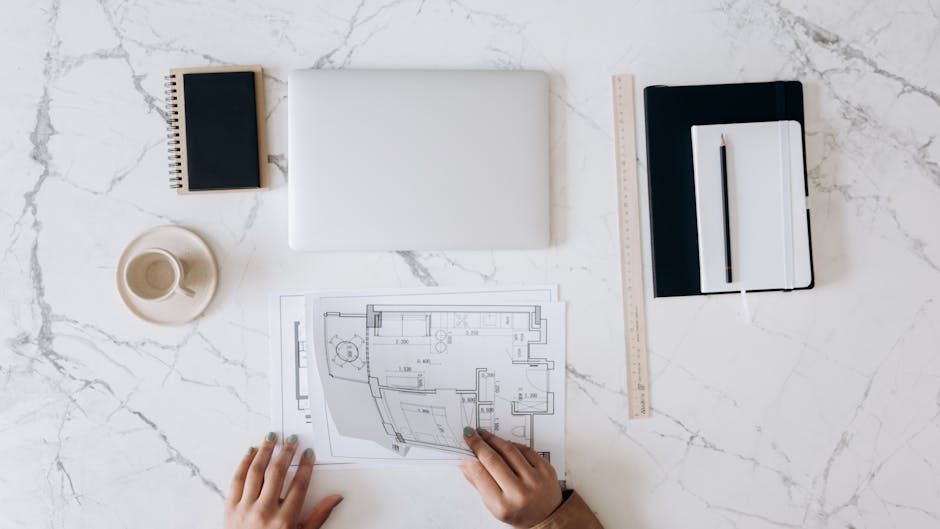
Our office layout now supports workflow efficiency while looking professional. The design team explained every step clearly.
We appreciated how the project documentation showed the reasoning behind each design choice. It helped us make informed decisions.
The completed home reflects our lifestyle needs without sacrificing visual harmony. The process was transparent and collaborative.
In residential and commercial interior design, the relationship between visual appeal and practical utility is a central consideration. Spatial Harmony examines each project through the lens of this balance. For residential spaces, we evaluate how daily routines, family dynamics, and personal preferences inform layout decisions. In commercial environments, factors such as traffic flow, brand identity, and employee productivity guide design choices. Photographs and floor plans from completed projects illustrate how these factors are integrated. The documentation does not present any single solution as universally superior; rather, it highlights contextual adaptations. Each project is a unique response to its specific constraints and opportunities. This approach provides a framework for understanding the design process as a series of informed decisions, not a formulaic outcome.
Not every completed project is included in our portfolio. Spatial Harmony selects projects that demonstrate a clear design narrative and offer varied solutions to typical spatial challenges. Each featured project includes detailed notes on the design brief, material choices, and spatial organization. This selection aims to provide a representative sample of our work across different scales and styles. By presenting a range of contexts—from compact apartments to open-plan offices—we illustrate how design principles adapt to diverse requirements. The portfolio is updated periodically to reflect recent work and evolving methodologies.
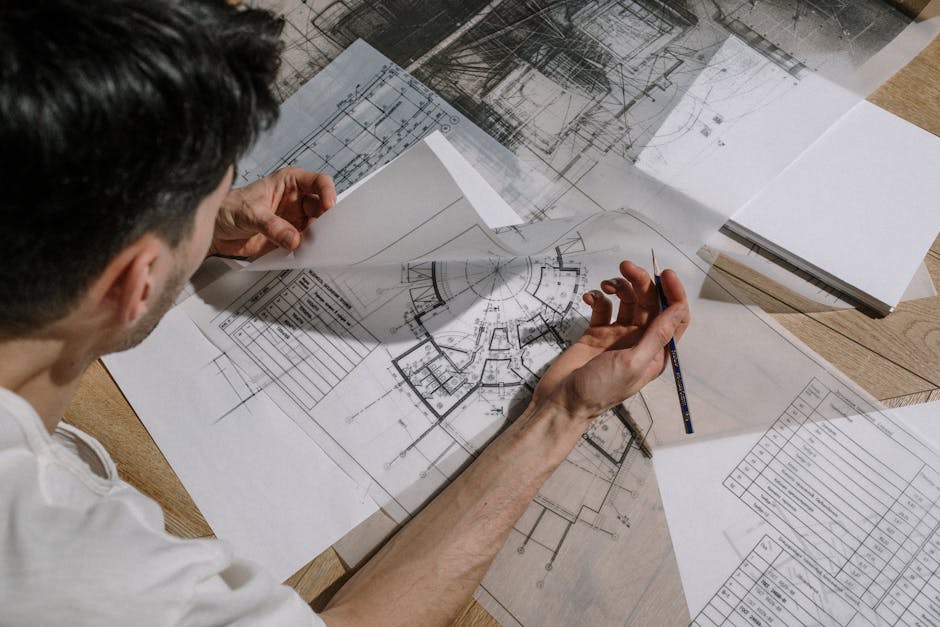
If you would like to discuss a specific project or our design process, please use the form below.
555 California St, San Francisco, CA